Irish Fairies and the Otherworld in Of Gods and Monsters
Why Irish Mythology Inspires My Writing
Ireland has always fascinated me, even before my first visit in 2001. Irish mythology has been a large part of that fascination, and on every subsequent visit I purchased books about Irish myth. Irish fairies and the mysterious Otherworld have especially captured my imagination. In my Of Gods and Monsters series, I draw on what I’ve learned from these books and include Irish fairy lore—from the Tuatha Dé Danann to the fair folk, from fairy rings and the fairy tree, the hawthorn— to build a world where the fair folk walk, work and live beside humans. In this blog I’ll share how the legends inspired my worldbuilding and introduce you to some of the fairy folk who shape Aisling’s journey through the series, beginning in The Dreammasters.
The Fae in the Of Gods and Monsters Series
In the Of Gods and Monsters series, the Fae are integral to the stories. Because fairies are an important part of the mythos of Ireland in general, I could hardly write a book based on an Irish goddess without having the fair folk play a significant role in the tale.
Creating the Otherworld
As I researched, I realized one of my first steps in creating my world was to explain who the fae or fair folk are and where they live. So many stories exist about the land of the fair folk, and they often differ. So, I decided to create a place where the fair folk and the Tuatha Dé Danann exist in harmony, and where they can enter the human realm, as they’ve done often in the stories of Celtic myth. There are many names for this place, but I chose one that was easy to visualize for myself, and I hope for my readers —the Otherworld.
Tommy Kennedy, one of my three point-of-view characters in the Of Gods and Monsters series, explains this arrangement to my protagonist, Aisling, in book one, The Dreammasters. Aisling has just discovered she’s descended from the ancient goddess Caer. What she doesn’t realize is that Caer still exists in the Otherworld. (The Tuatha Dé Danann referenced below are the gods and goddesses of ancient Ireland.)
Tommy says:
“…Caer does exist even now, although she retreated with the other gods and goddesses and the fair folk, into their own world after being defeated by an invading people, the Milesians…The Tuatha Dé Danann retreated underground to the Sidhé, or the fairy hills of the Otherworld. You’ll see the fairy hills dotting the countryside of Ireland. All the gods and goddesses, and all the fair folk, live in the Otherworld, which is divided into realms or underground cities scattered all about Ireland…they are called the Daoine Sídhe or People of the Sídhe.”
Names for the Fair Folk
There are a lot of names for the fairies or the fae. You’re probably familiar with those two names, but you may not be familiar with other names for them or even why there are so many different names in the first place.
There’s a longstanding superstition that calling the Fae by the wrong name may anger them. As a result, many euphemistic names were created to refer to them, such as the fair folk, the good people, and the good neighbors, to name a few. Interestingly, these flattering names served another purpose: to remind the fairies that they could be good — because they’re often portrayed as beings who fall somewhere along a spectrum from dangerous and unpredictable to mischievous tricksters.
Fairy Rings and Sacred Fairy Places in Ireland
The fairies have sacred lands, places that belong to them. You may have heard of fairy rings, which are generally rings of mushrooms or dark green grass. These are said to be places where the fairies are dancing, and entering the fairy ring could cause you to lose time. Fairy stories warn us that when humans dance with the fairies they often loose a hundred years or more of Earth time.
There are other sacred places in nature associated with fairies in Ireland, including wells, rocks, and trees. It’s bad luck to disturb the fairies, and even modern construction is sometimes planned around these fairy spaces.
Are Fairies and Gods the Same Beings?
Another interesting question about the fairies is whether the fairies and gods and goddesses of Ireland are related or different beings. Some stories say that the old gods made their home in the fairy hills of Ireland, and in doing so became the fairies. Other stories differentiate them more, indicating that the fairies existed before the gods came to the land. In the Of Gods and Monsters series, the Fae their own beings and now live in harmony with the ancient gods and goddesses who or the Tuatha Dé Danann, who joined them in the Otherworld.
What To Do If You Run Into a Fairy?
Be polite! The fairies are said to be very sensitive to insult, so it’s important to be on your best behavior.
Do not thank the fairies. This can imply that you are in their debt, and that is not some place you want to be! Instead, you might say, “I appreciate your help.” Show appreciation, but don’t create any power imbalance.
Do not eat or drink while with the fairies. This is a constant within all fairy lore: eating or drinking anything in the fairy world can get you stuck there indefinitely. Steer clear!
And finally, let’s bring in some fun! When you travel around the Emerald Isle, you’ll see nods to the fair folk all over the place. Below I’ve included some of the fairy villages I’ve seen around Ireland, created to honor the Good People who live in the area. Which one is your favorite?
Fairy Villages Across Ireland
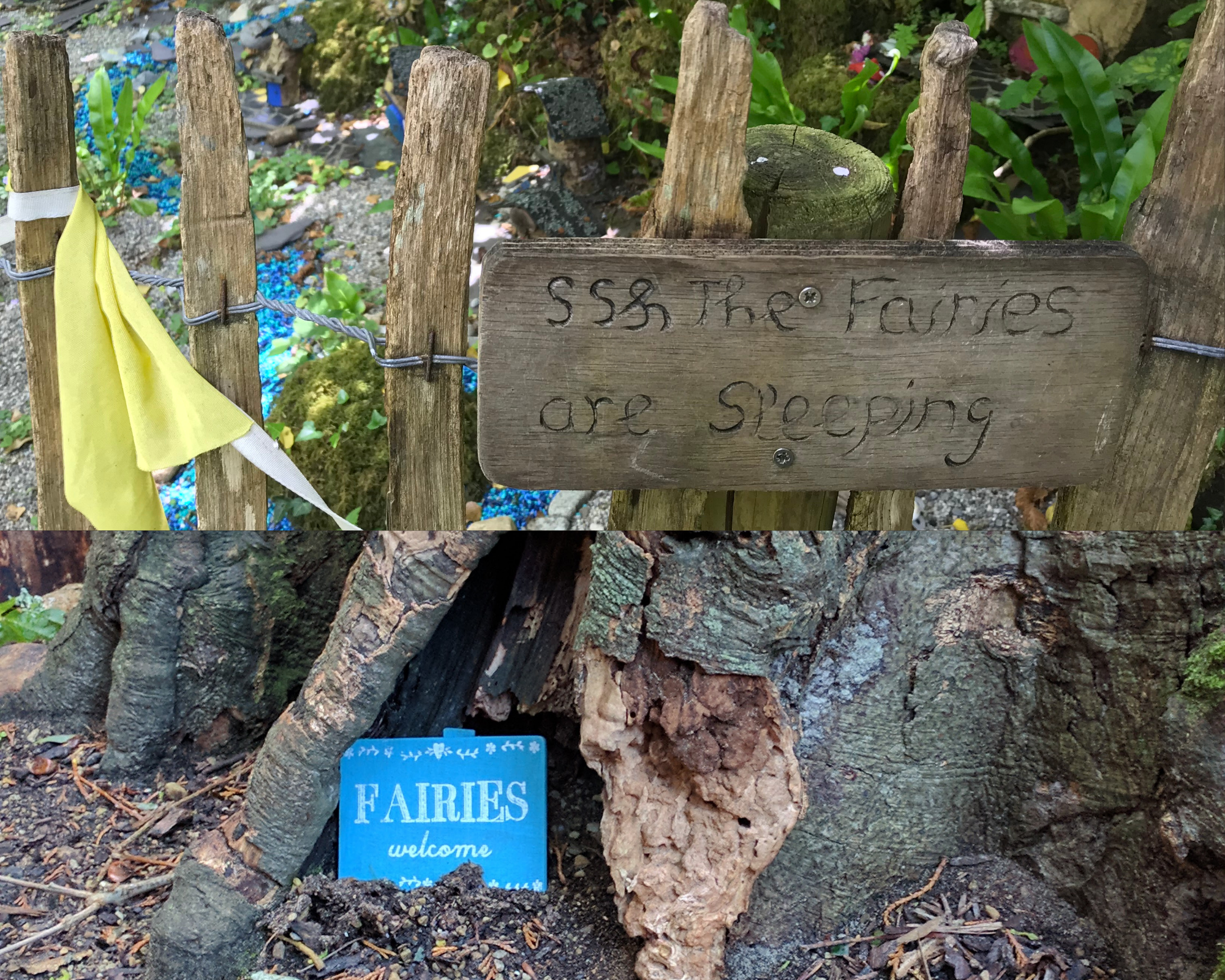
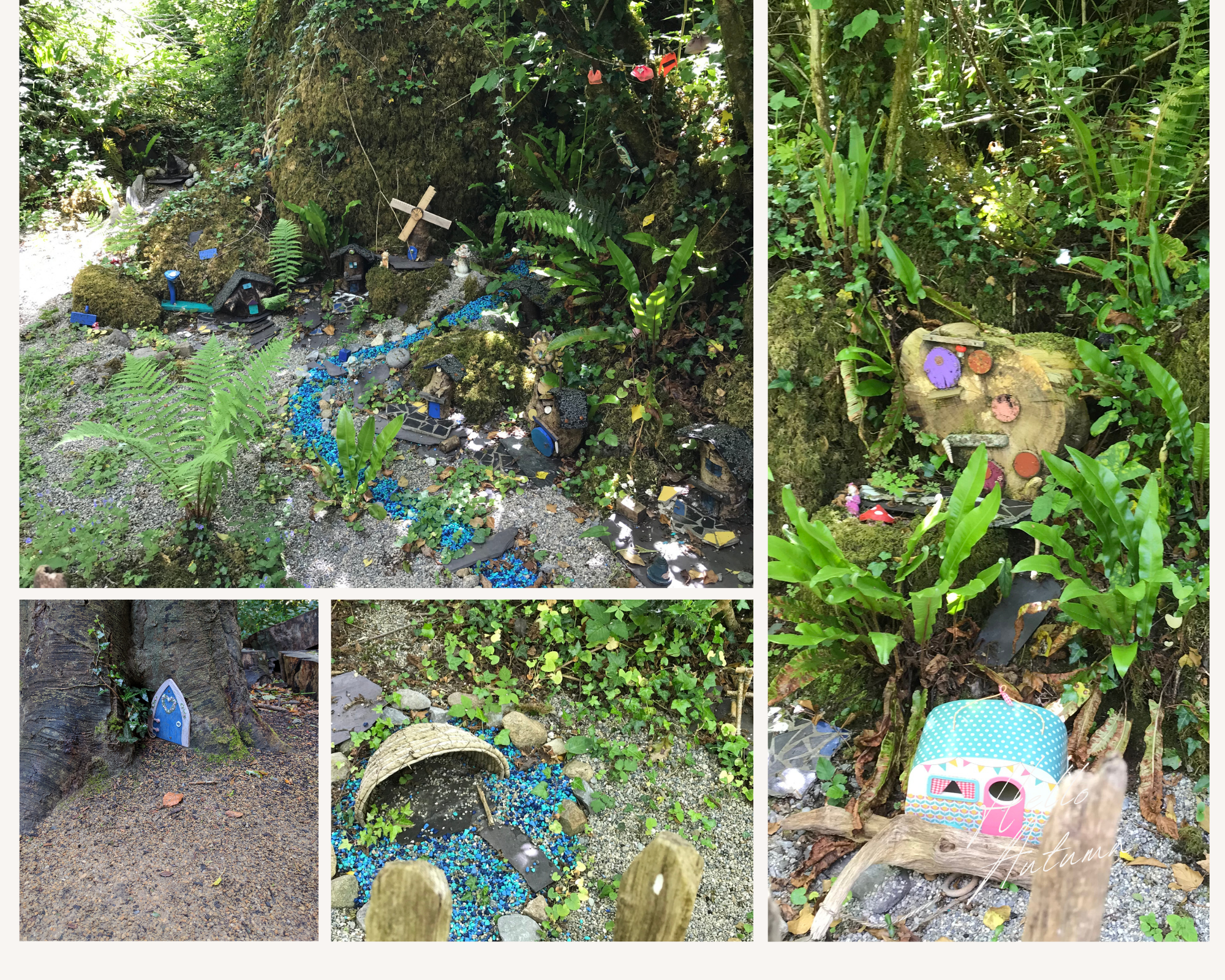
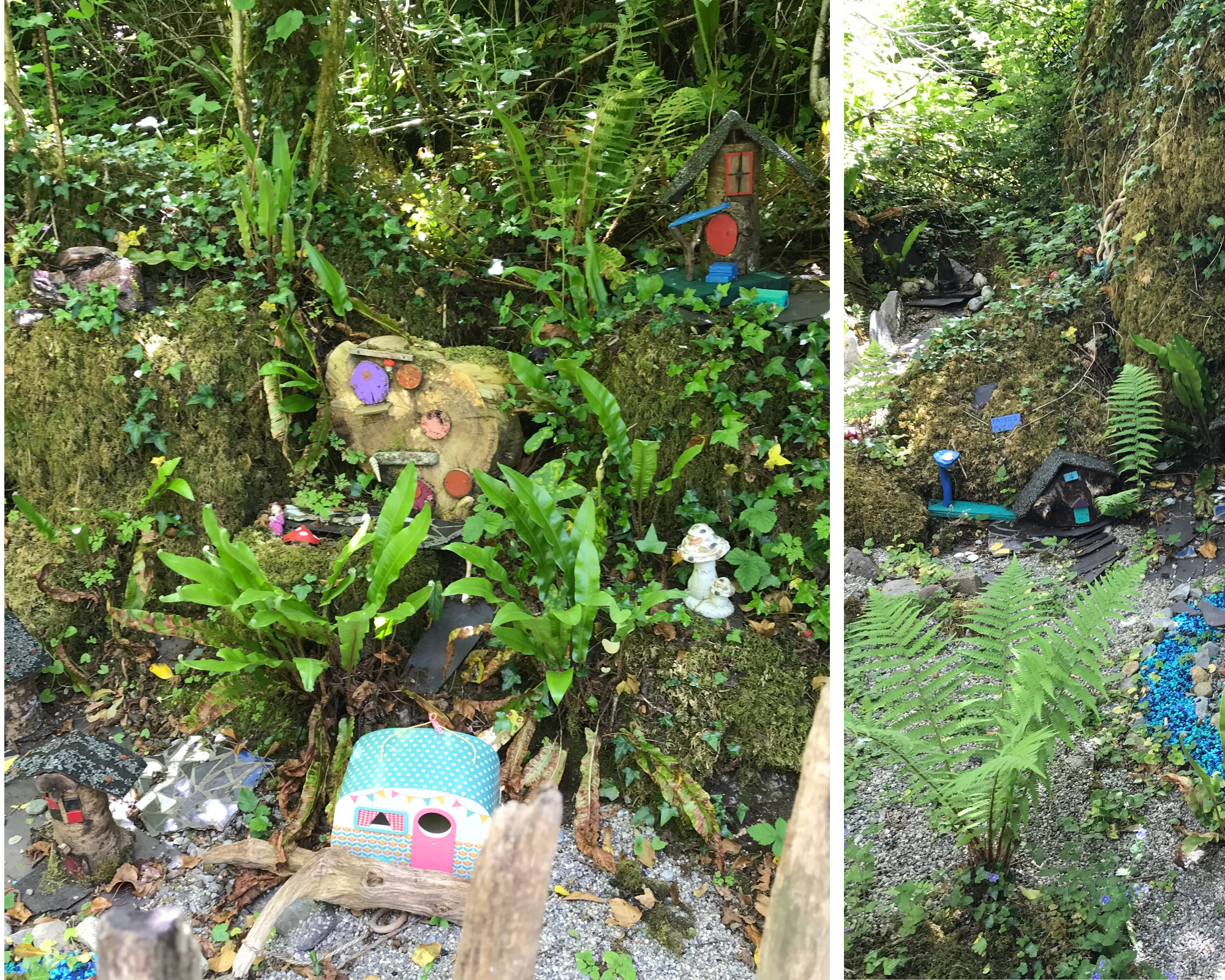
Which is your favorite little fairy home? Sometimes I wish I could live in a fairy village like one of these myself!
Until next time,
Kelley
